Note 0073D Printing3 min read
3D printing materials: a guide for Qatar's heat
A plain guide to 3D printing materials, from PLA, PETG and ABS to polycarbonate, nylon, TPU, carbon fibre and resin, and why Qatar's heat decides.
The material a piece is printed in decides how it looks, how strong it is and, in Qatar, whether it survives the summer. Here is a plain guide to the common materials and the engineering grades, and what each is good for.
PLA: detail and colour, kept indoors
PLA is the most widely used printing plastic. It prints crisp detail, comes in many colours and finishes, and suits display pieces, models and gifts that live indoors. Its weakness is heat: it starts to soften at around 55 to 60 °C, which a car interior in a Doha summer can easily pass.
PETG: tougher, and happier in the warm
PETG is tougher and less brittle than PLA and holds its shape at higher temperatures, roughly up to 70 to 80 °C. It is a good choice for functional parts, pieces that will be handled a lot, and anything that might sit in a warm room or a car. The football trophy, the container ship and the Hand of Justice we made are all PETG under their paint.
ABS and ASA: for heat and the outdoors
ABS and ASA tolerate heat better still, and ASA is made to resist sunlight, which yellows and weakens many plastics over time. They are the usual choice for parts that have to live outside or near something hot.
Polycarbonate: strength at high heat
Polycarbonate is among the strongest printing plastics and keeps its shape well above 100 °C. It is harder to print, and it is chosen where a part must take load and heat together; the sewer network model's parts were printed in PETG, ABS and polycarbonate.
Nylon: tough and slow to wear
Nylon is tough, a little flexible and slow to wear, which suits hinges, clips, gears and parts that rub against each other. It takes up moisture from the air, so it is kept dry before it is printed, and it is usually painted or dyed rather than chosen for its colour.
TPU: the flexible one
TPU is a rubber-like plastic that bends and springs back: grips, seals, bumpers, covers and parts that are squeezed or worn. It prints more slowly than the rigid plastics, and its detail is softer.
Carbon-fibre composites: stiff and light
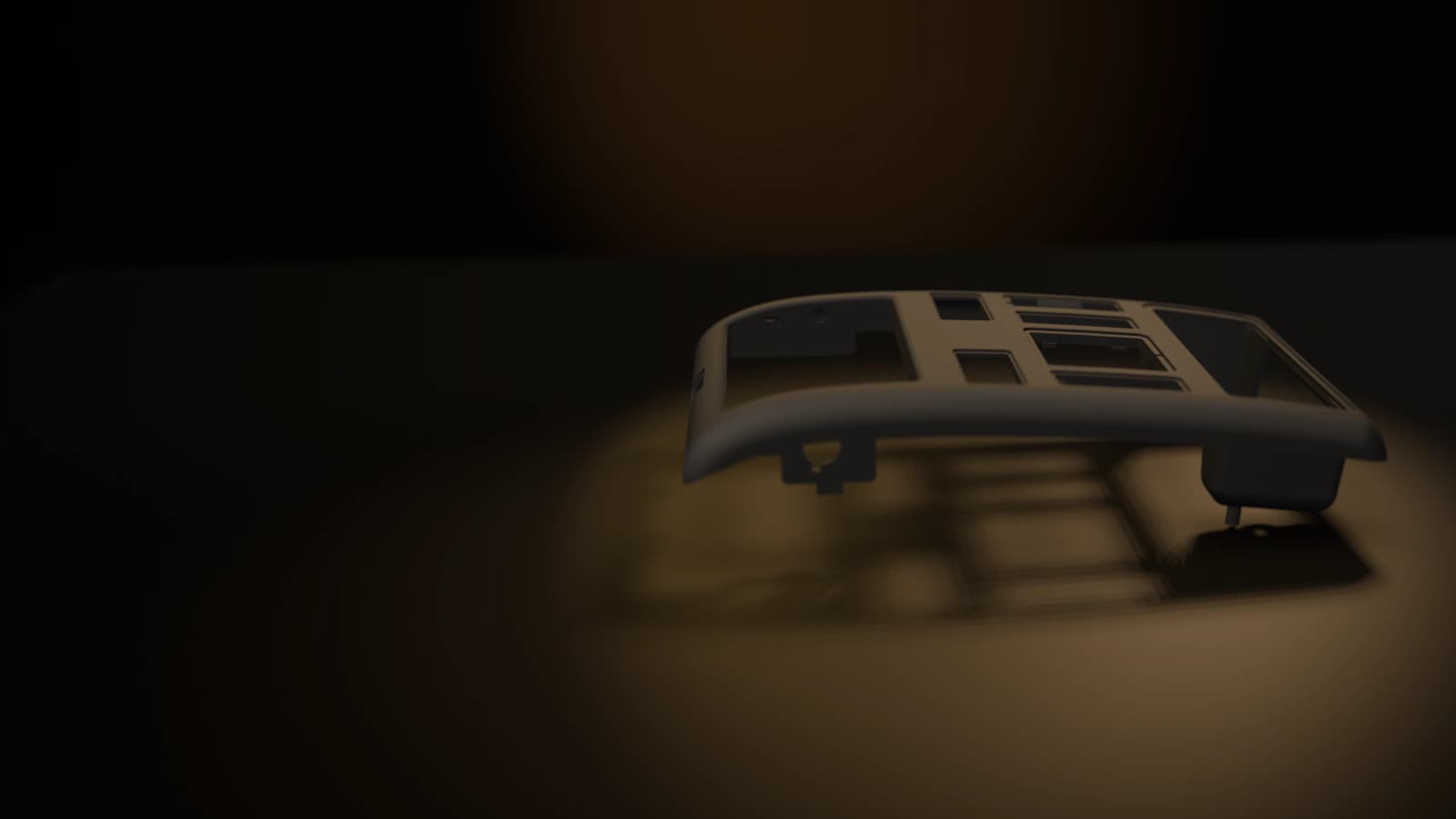
Short carbon fibres mixed into a plastic such as ABS, PETG or nylon make it stiffer and lighter for its strength, with a fine matte surface. The BMW M5 interior trim part we made was printed in carbon-fibre-reinforced ABS, for a strong and rigid prototype.
Resin: the finest detail
Resin printing cures a liquid layer by layer with light, and it produces the smoothest surfaces and the finest detail of all, which suits small figures and pieces examined up close. Standard resins are more brittle than filament plastics and do not like long hours of direct sun; tougher resins, sold as ABS-like, close part of the gap, and the Torch Tower model was printed in one.
FDM or resin, or both
FDM lays down melted filament and suits large and strong parts; resin cures a liquid with light and suits small, fine detail. One piece can use both: the 3D Engineering DNA has a resin spire on a PETG base.
Paint changes the picture
Many display pieces are primed and painted, and then the colour you see comes from the paint rather than the plastic. The material underneath is chosen for strength and heat, the finish for the look, which is why a piece that is finished by hand can be printed in whatever suits its life best.
How the choice is made
- Where will it live: indoors, outdoors, in a car, in the sun?
- Will it be handled, dropped or worn, or only looked at?
- How close will people look: across a room, or in the hand?
- Does it need to flex, hold weight or fit another part?
Follow the studio
The work in these notes, as it is made: pieces off the printers, systems going live.