Note 0133D Printing1 min read
Prototypes: hold the idea before you commit to it
Why a printed prototype or concept model is the cheapest way to find out whether an idea works, before tooling, production or a launch.
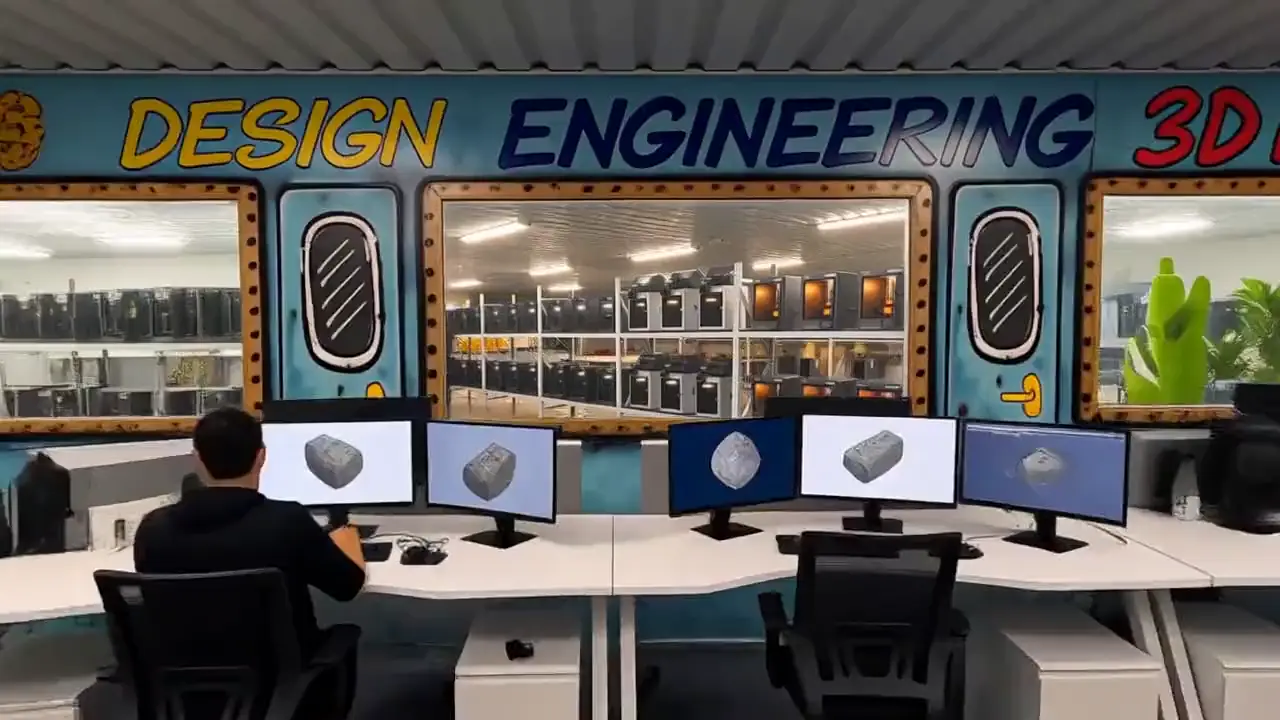
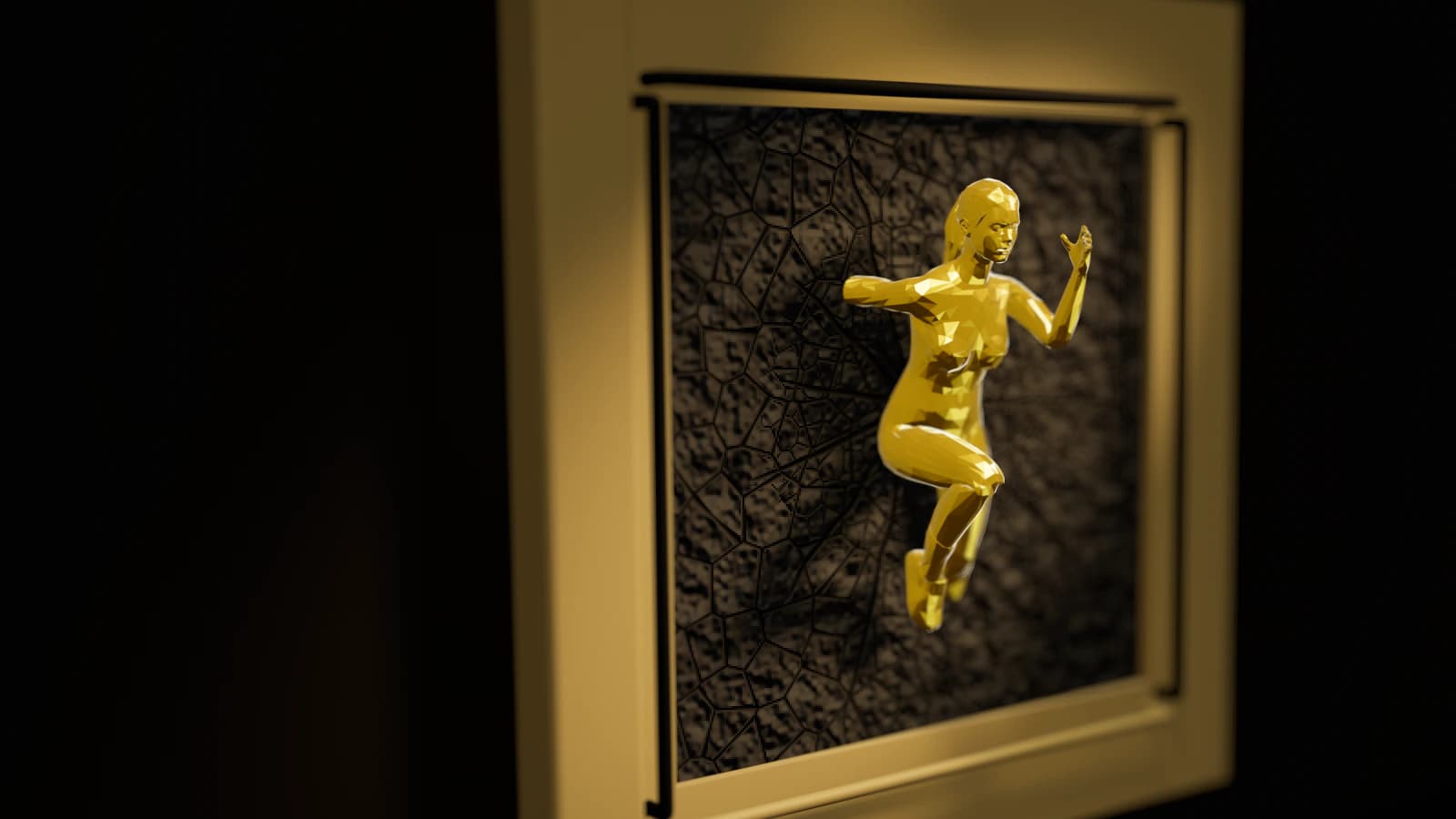
An idea on a screen can look perfect and still be wrong in the hand: too big, too heavy, awkward to hold, or not quite the shape everyone imagined. A prototype is how you find that out while it is still cheap to change.
What a prototype answers
- Does it fit: in the hand, on the shelf, against the part it connects to?
- Does it look right at its real size, not scaled on a screen?
- Does it work: do the moving parts move and the joints hold?
- Will people understand it when they see it?
Concept models and working prototypes
A concept model shows what something will look like; it is for deciding, presenting and getting agreement. A working prototype is closer to the real thing and is for testing. Both can be printed, and often one leads to the other.
Change it, print it again
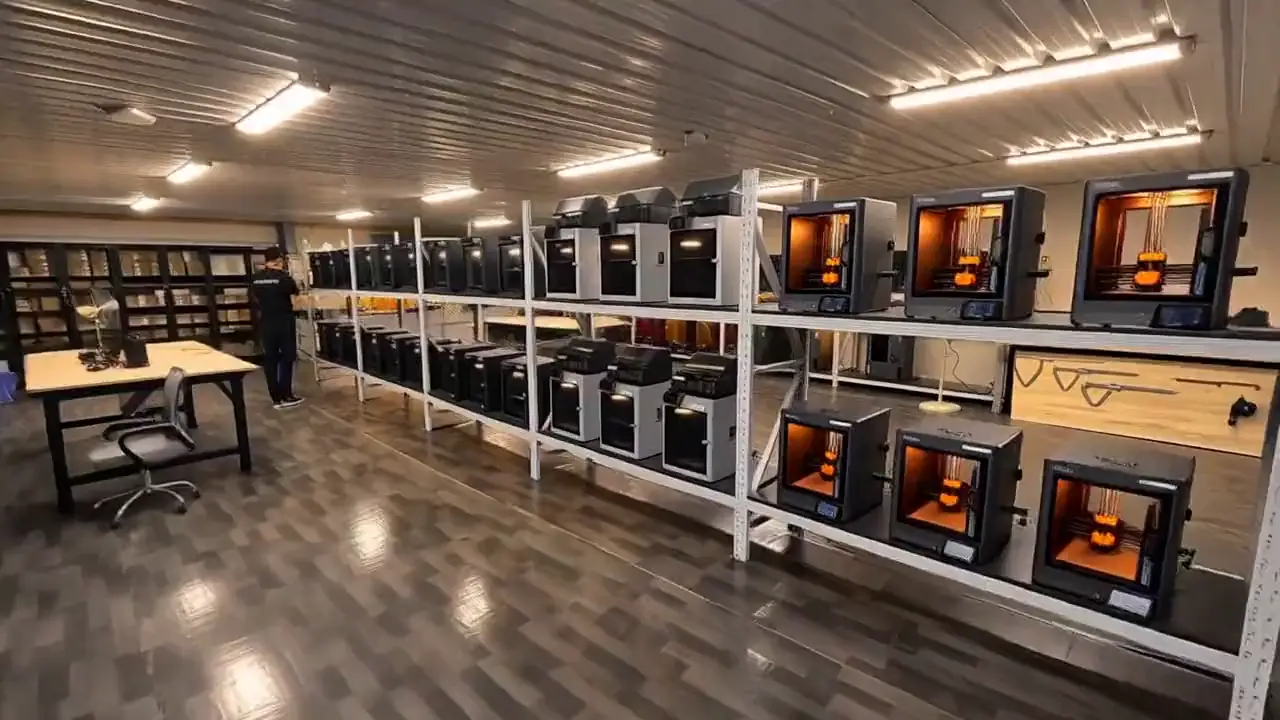
Because a print comes straight from a file, a change to the design is a change to the file. Printing three versions to hold side by side is often quicker than debating one on a screen.
Before production
When a product will be made in large numbers by moulding or machining, a printed prototype is the fastest way to check it before paying for tooling. And for smaller quantities, the printed piece may simply be the product, as 3D printing in Qatar explains.
Follow the studio
The work in these notes, as it is made: pieces off the printers, systems going live.