Note 014Business Systems1 min read
Outgrowing spreadsheets: when you need a system
The signs that a spreadsheet is running a business instead of helping it, and what changes when the work moves into a system of its own.
Almost every business starts on spreadsheets, and for a while they are the right tool: quick, flexible and familiar. Then the business grows, more people touch the same files, and the spreadsheet quietly becomes the system, one that nobody designed.
The signs
- The same information is typed into more than one file
- Only one person really understands how the file works
- Nobody is sure which version is the latest
- Mistakes are found weeks later, if at all
- Reports take a day to put together every month
- Approvals happen in email threads and phone calls
What a system changes
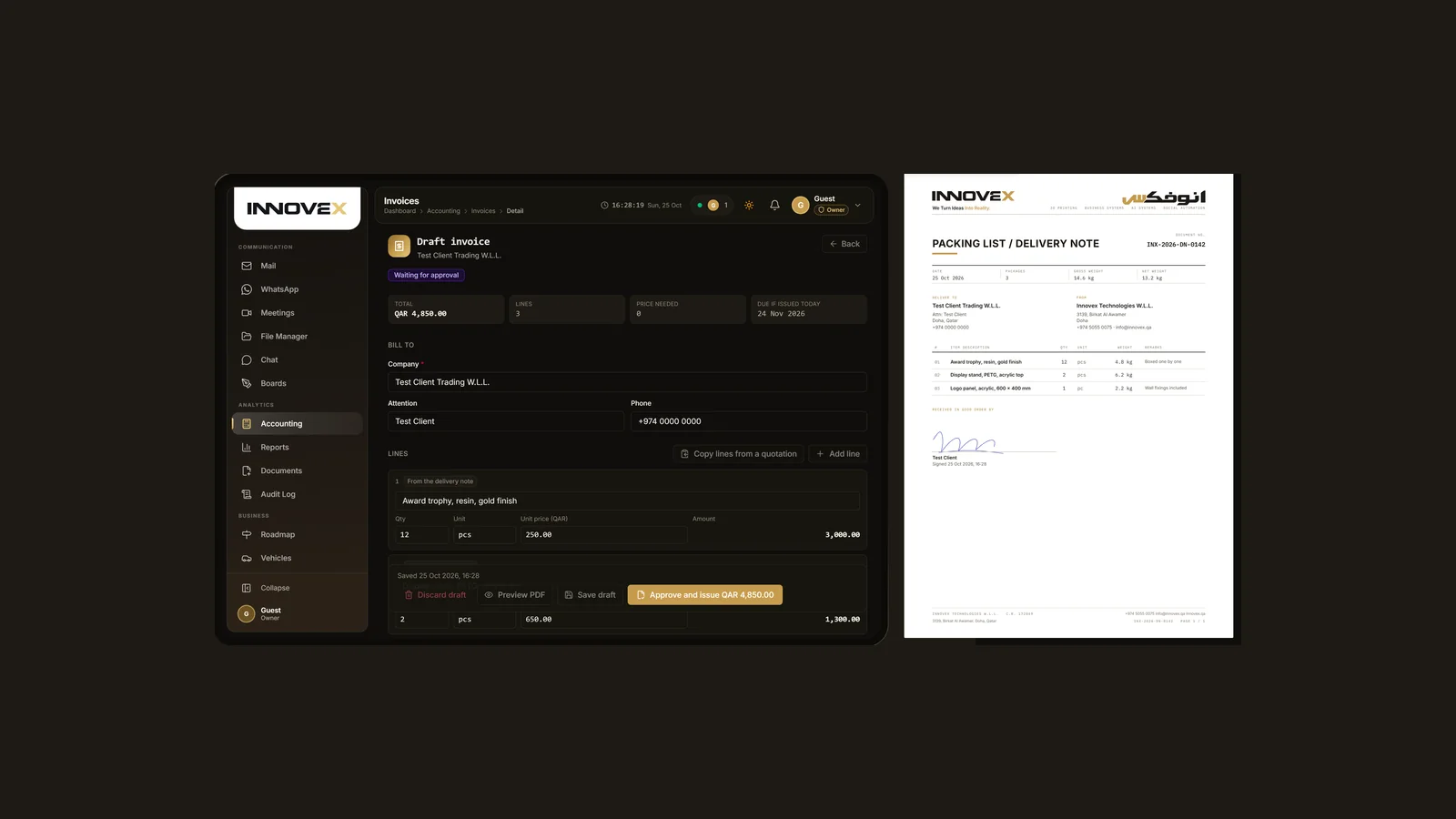
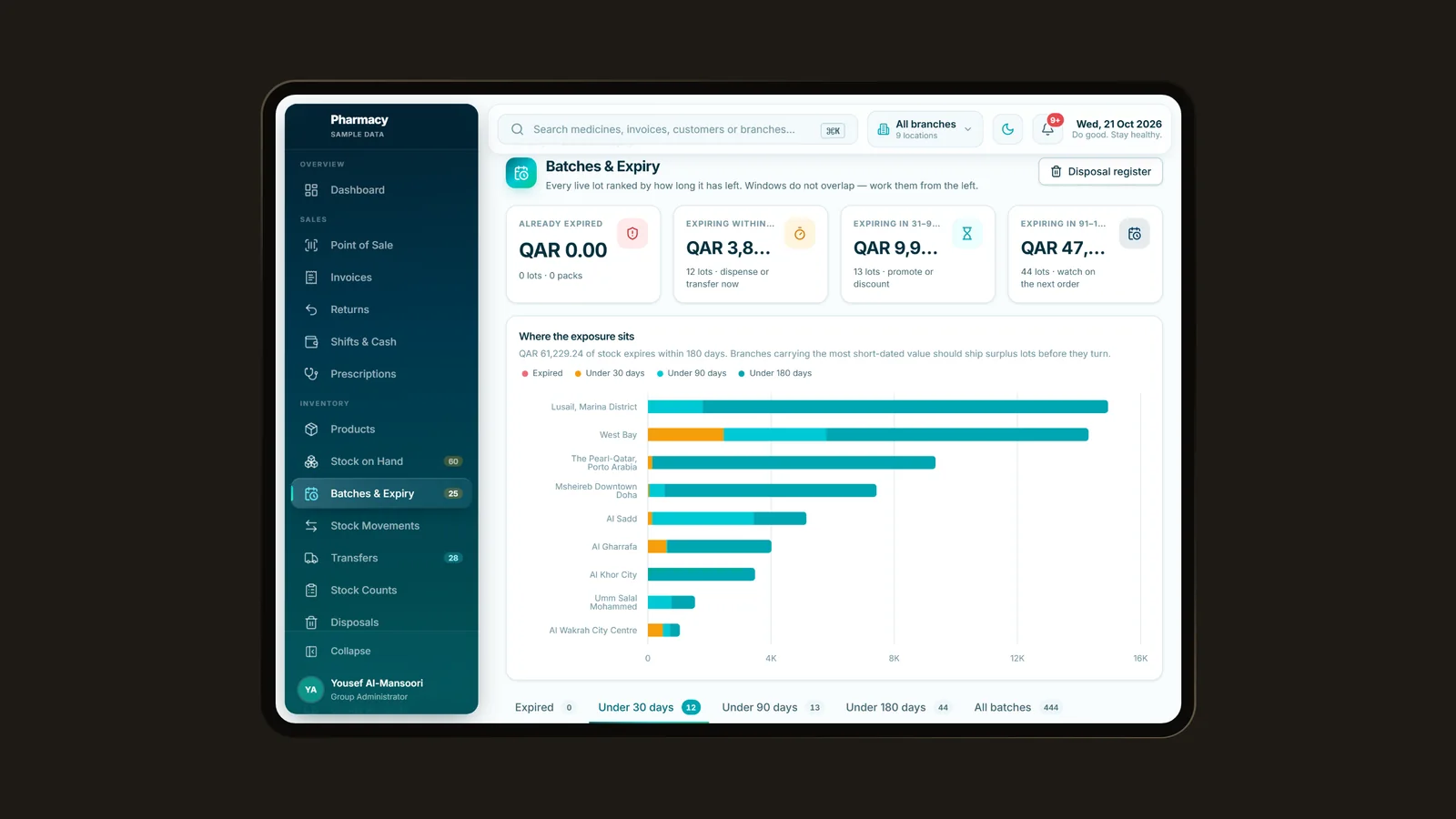
A system built for the business holds each piece of information once, lets each person see and change what their role needs, and keeps a record of who did what. Reports are there when you open them, because the numbers already live in one place, on a management dashboard rather than in a monthly file.
It also stops depending on one person's memory. The steps the business follows are built into the system, so a new member of staff follows them too, and approvals move through a workflow instead of an inbox.
Built around how you work
A system can be bought or built. A product fits the average company; a system built for yours fits the way you actually work, instead of around a product's assumptions. Our note on custom software or off the shelf goes through how to decide.
Where to start
Start with the process that costs the most time or causes the most mistakes, not with everything at once. Describe how it works today, spreadsheets included, and we will say what a system for it would take, what it costs and how long it runs.
Follow the studio
The work in these notes, as it is made: pieces off the printers, systems going live.